How Eco Work’s E-Waste Management and Entrepreneurship Program Helped Shape ECOTRIO’s Journey Toward Responsible and Sustainable E-Waste Recycling
Starting a business in a new industry is both exciting and challenging. When we established ECOTRIO, we knew that building an e-waste recycling company would require much more than just investing in machinery and infrastructure. We needed to understand the industry, its regulations, the technology involved, and the practical challenges faced by recyclers across India.
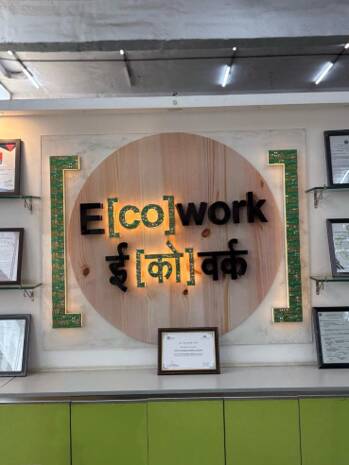
While browsing the internet, one of my business partners came across a flyer for a workshop titled “E-Waste Management and Entrepreneurship.” The hybrid training program, conducted by Eco Work, combined a series of virtual learning sessions with two days of hands-on training at their recycling facility in Ghaziabad, Delhi NCR.
Since we were relatively new to the industry, I felt this was the perfect opportunity to build a strong foundation and gain practical insights into the e-waste recycling ecosystem.
I enrolled in the program, completed the registration process, and booked my journey from Hubballi to Ghaziabad, eager to learn from some of the best minds in India’s growing e-waste ecosystem.
Learning Begins Online
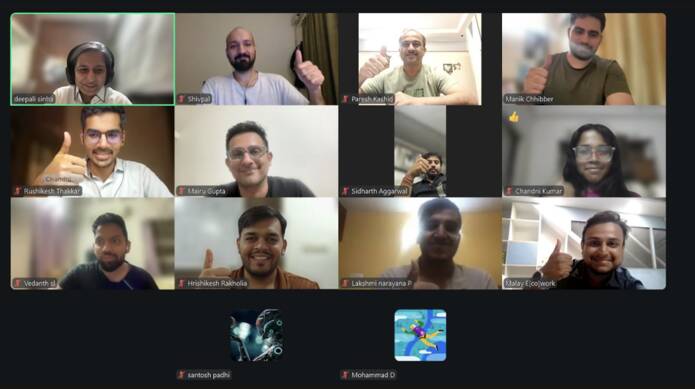
The program began with a series of virtual sessions that brought together participants from different parts of India. Entrepreneurs, researchers, consultants, and professionals from the e-waste sector joined the sessions with one common objective to better understand the rapidly evolving world of e-waste management. The online sessions were highly interactive.
Rather than being one-way lectures, they encouraged discussions, questions, and knowledge sharing. Experienced industry professionals and guest speakers shared practical insights from their own journeys, making every session engaging and relevant. One of the greatest benefits of the virtual sessions was the opportunity to interact with people from different backgrounds who shared the same passion for building a sustainable recycling ecosystem.
Understanding India's E-Waste Ecosystem
The initial sessions focused on India's e-waste industry, including the growing volume of e-waste, industry challenges, business opportunities, the circular economy, and the role of authorized recyclers. These sessions provided a strong foundation and reinforced the importance of responsible recycling.
Demystifying Extended Producer Responsibility (EPR)
One of the most valuable sessions focused on Extended Producer Responsibility (EPR). Before attending the workshop, EPR was one of the areas we understood the least. The trainers explained EPR, compliance, documentation, EPR credits, and the roles of producers and recyclers. Regulatory approvals such as CPCB authorization and State Pollution Control Board licenses were also discussed.
Collection, Reverse Logistics and Business Planning
The trainers shared practical experiences on collection networks, transportation, reverse logistics, machinery selection, facility layouts, investment requirements, financial planning, and business models. These sessions gave me a much clearer understanding of how an efficient recycling facility should be designed.
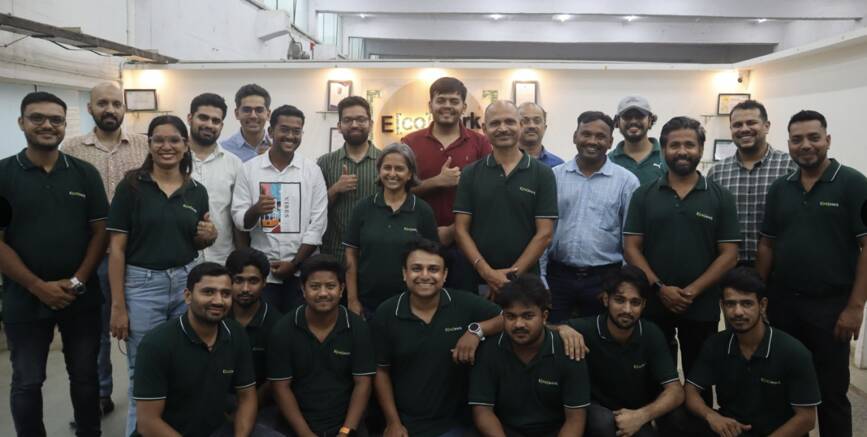
![Discussion with E[co] Work Team](https://ecotrio.co.in/media/uploads/mediaele_6a93f19ab712c2.31785453.jpg)
Building Valuable Industry Connections
The workshop also provided an excellent opportunity to build meaningful industry connections. Through engaging discussions and collaborative activities, I had the chance to connect with entrepreneurs, researchers, consultants, and professionals from different parts of India. Interacting with people from diverse backgrounds gave me valuable perspectives on the challenges and opportunities within the e-waste industry.
Visiting Eco Work's Recycling Facility
After completing the online sessions, I travelled from Hubballi to Delhi and then to Ghaziabad to visit Eco Work’s authorized recycling facility. It was my first visit to a professional e-waste recycling plant, and the experience gave me a completely different perspective on the industry.
The facility’s systematic approach to handling e-waste immediately stood out to me. The organized storage and segregation of plastics, PCBs, televisions, washing machines, and other electronic equipment demonstrated the importance of structured and efficient operations in responsible e-waste management. Seeing these processes firsthand helped me better understand how proper collection, segregation, storage, and recycling practices contribute to building a sustainable e-waste management system.
Learning Through Hands-On Experience
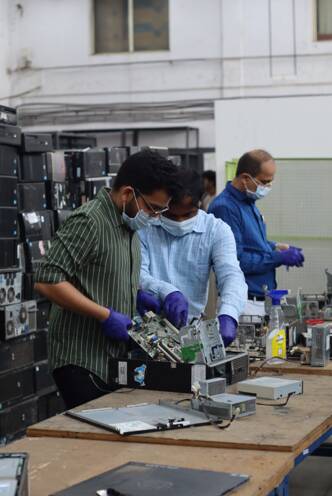
We evaluated different categories of e-waste and learned that valuable internal components are often removed before sale.
Later, each participant dismantled and reassembled a desktop CPU, helping us understand labor requirements, dismantling time, tools, and component identification.
A Visit to Seelampur
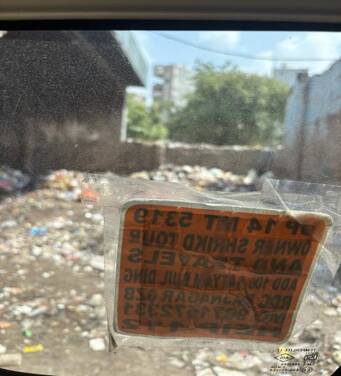
Visiting Seelampur, one of India's largest informal e-waste markets, was an eye-opening experience. Seeing unsafe dismantling practices reinforced the importance of formal, environmentally responsible recycling.
Learning from Industry Leaders
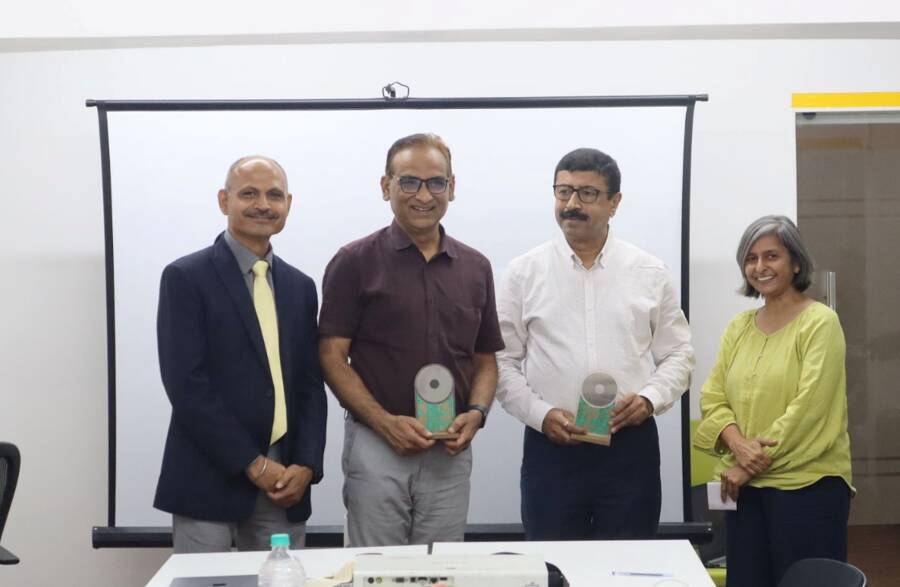
The workshop concluded with an inspiring session by Dr. Sandip Chatterjee from SERI, who shared insights into global recycling standards, government initiatives, and the future of India's e-waste industry.
Key Takeaways
The workshop gave me a deeper understanding of India's e-waste ecosystem, EPR, compliance, recycling operations, machinery, business planning, and valuable industry connections. It was the perfect foundation for ECOTRIO's journey.
Conclusion
Attending Eco Work's E-Waste Management and Entrepreneurship Program was one of the best decisions I made at the beginning of ECOTRIO's journey. The knowledge and practical exposure gained will continue to guide our company as we work towards responsible and sustainable e-waste recycling. I sincerely thank the Eco Work team, the guest speakers, and my fellow participants for an enriching experience.